Selling a Home in Boise: Key Steps Sellers Should Know
June 4, 2026
June 4, 2026
Selling a home in Boise can feel simple on the surface. Put it on the market, accept an offer, and move on. In reality, your timing, pricing, prep work, and contract terms can all affect how quickly your home sells and how much you actually net at closing. This guide walks you through the key things to know before you list so you can make informed decisions and avoid costly surprises. Let’s dive in.
If you are selling in Boise, it helps to understand what the market is doing right now instead of relying on headlines or stories from a year ago. Spring 2026 data shows an active listing environment, with Realtor.com reporting about 1,143 homes for sale in Boise, a median listing price of $614,900, a median of 32 days on market, and a 100% sale-to-list ratio in March 2026.
Looking at Ada County resale data adds more context. Boise Regional REALTORS reported 650 existing or resale homes for sale in February 2026 with a 1.4-month supply, a median sales price of $505,000, and 45 days on market. For all single-family homes in Ada County, there were 1,484 homes for sale and a 2.0-month supply, while new construction had 834 homes for sale, a 3.1-month supply, and 80 days on market.
The big takeaway is that buyers still have options, and not every listing will draw aggressive bidding. Your home needs to be priced according to recent comparable sales, current inventory, and its actual condition. A strong list price can create momentum, while an aspirational price can lead to extra days on market and tougher negotiations later.
Timing can shape buyer activity, showing traffic, and your competition. An April 2026 Idaho Statesman report said Ada County home sales rose nearly 20% year over year in March, and local market participants noted that Idaho’s housing market typically heats up in summer, with more listings and closings.
That does not mean there is only one good time to sell. It does mean you should think about the tradeoff between more active buyers and more competing listings. If you list during a busier season, you may see stronger demand, but you also need your home to stand out from the start.
A smart launch is often more important than simply rushing to market. If you need time to complete repairs, declutter, or prepare disclosures, taking those steps first can put you in a stronger position. A home that is ready on day one often has a better chance of attracting serious buyers.
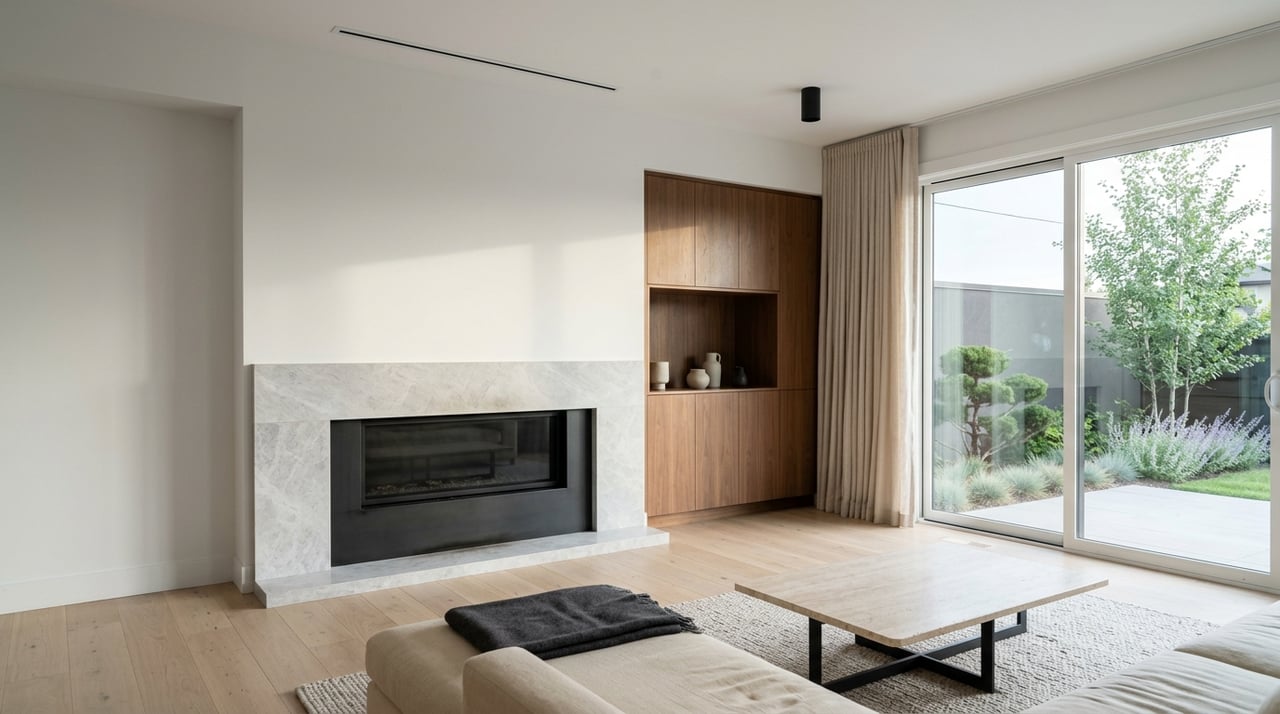
Preparation can improve buyer interest and reduce problems once you are under contract. One of the simplest ways to do that is through staging, which the National Association of Realtors defines as decluttering and styling a home so buyers can picture themselves living there.
According to NAR’s 2025 staging guide, 83% of buyers’ agents said staging made it easier for buyers to visualize a property as their future home. More than a quarter of agents said staging added 1% to 10% to the dollar value offered, and about half said it reduced time on market.
That does not mean you need a full redesign. In many cases, the most helpful updates are practical and straightforward.
These steps can help buyers focus on the home itself instead of distractions. In a market where resale homes are moving faster than new construction in Ada County, strong presentation can help your listing compete more effectively.
A pre-listing inspection is not required, but it can be a useful strategy. It gives you a chance to learn about issues before a buyer’s inspector does, which can help you decide whether to repair them, disclose them clearly, or price the home with those conditions in mind.
The Consumer Financial Protection Bureau notes that inspections can lead to repair negotiations or even cancellation if the contract includes an inspection contingency. The CFPB also notes that major repairs can complicate closing if a lender requires fixes before funding.
For you as a seller, the value is often clarity. When you know the likely trouble spots early, you can prepare a cleaner listing strategy and reduce the odds of last-minute surprises.
Before selling your Boise home, you should know what Idaho requires. Under Idaho’s Property Condition Disclosure Act, sellers of residential real property must complete a property condition disclosure form and deliver a signed, dated copy to the buyer or the buyer’s agent within 10 calendar days after accepting the offer.
The Idaho form applies to residential real property with one to four dwelling units, or an individually owned unit in a structure of any size. The form also states that the disclosure is based on the seller’s known conditions, is not a warranty, and is not a substitute for inspections.
The form asks about a wide range of property conditions, including:
This is one reason it helps to review your home carefully before listing. You do not need to assume every issue must become a major renovation, but you do want a clear picture of what you know and what a buyer is likely to examine more closely.
If your home was built before 1978, federal law requires you to disclose known lead-based paint hazards and provide the EPA and HUD lead pamphlet before the sale. If that applies to your home, it is smart to gather that information early so your paperwork does not slow down the transaction.
In Boise, pricing is one of the most important choices you will make. With sale-to-list ratios around 100% in Boise’s March 2026 public market data, the market suggests buyers are still paying close to asking when a home is positioned well. At the same time, current inventory levels show that buyers have enough options to compare condition, features, and value.
That means your list price should do more than reflect what you hope to get. It should reflect recent comparable sales, current competition, the property’s condition, and how your home fits into today’s market segment.
When a home sits longer, buyers may start to wonder what is wrong with it. You may also end up making price reductions that weaken your negotiating position. In many cases, a strong initial pricing strategy helps you preserve more leverage than chasing the market later.
A strong offer is not just about the top number. Your final outcome can also depend on contingencies, timelines, occupancy terms, and how clearly the contract is written.
The National Association of Realtors explains that contingencies are conditions that must be met before the purchase can be completed. Common examples include financing, appraisal, inspection, home sale, title, HOA, home-close, rent-back, early move-in, continue-to-show, and kick-out terms.
NAR also notes that contingencies should be written clearly with timelines. If they are not satisfied within the contract period, the parties can often cancel without penalty if they are acting in good faith.
Some contingencies deserve especially close attention because they can affect your timing and net proceeds.
A buyer may ask for repairs, a credit, or a price adjustment based on inspection findings. In some cases, the buyer may have the right to cancel. This is one reason early prep work and a pre-listing inspection can be helpful.
The CFPB says a lower appraisal often leads to renegotiation or cancellation depending on the contract. If a buyer agrees to a price that the home does not appraise for, you may need to lower the price, challenge the valuation, or hope the buyer can bring in extra cash.
An offer can look great on paper and still fall apart if the buyer’s financing does not come together. Your sale is only as strong as the buyer’s path to funding.
If the buyer needs to sell another property first, your timeline can become less certain. NAR notes that a kick-out clause can allow a seller to keep showing the property while the first buyer works through that contingency.
Many Boise sellers are also buying another home, relocating, or coordinating a complicated move. If you need to stay in the property for a short period after closing, rent-back terms should be handled carefully.
NAR says a rent-back clause should clearly spell out the move-out date and rental terms. Clear occupancy language matters because vague terms can create stress, confusion, or disagreements right when you want the process to stay smooth.
It is better to prevent contract problems than to deal with them later. Idaho’s Real Estate Commission says it does not have jurisdiction over contract, commission, or earnest-money disputes. Those are civil matters rather than licensing complaints.
For you, that means contract details matter a great deal. Deadlines, contingency timelines, repair requests, occupancy terms, and earnest money language should all be understood before you sign.
If you want to sell with fewer surprises, the path is usually straightforward. Price to the current market, prepare the home well, understand your disclosure duties, and review every contract term with care.
Selling a home is a major financial decision, and the details matter. With the right plan, you can protect your interests, reduce avoidable stress, and move forward with more confidence.
If you are thinking about selling in Boise or anywhere in the Treasure Valley, Chuck and Laura Costa can help you build a smart pricing and preparation strategy from the start.
Stay up to date on the latest real estate trends.


A steady, strategic approach rooted in experience and clear communication. We prioritize your goals, protect your interests, and guide every decision with insight, preparation, and strong negotiation. From consultation to closing, we deliver a polished, well-managed experience designed to help you move forward with confidence.